What Are Prefab Houses Actually Made Of?
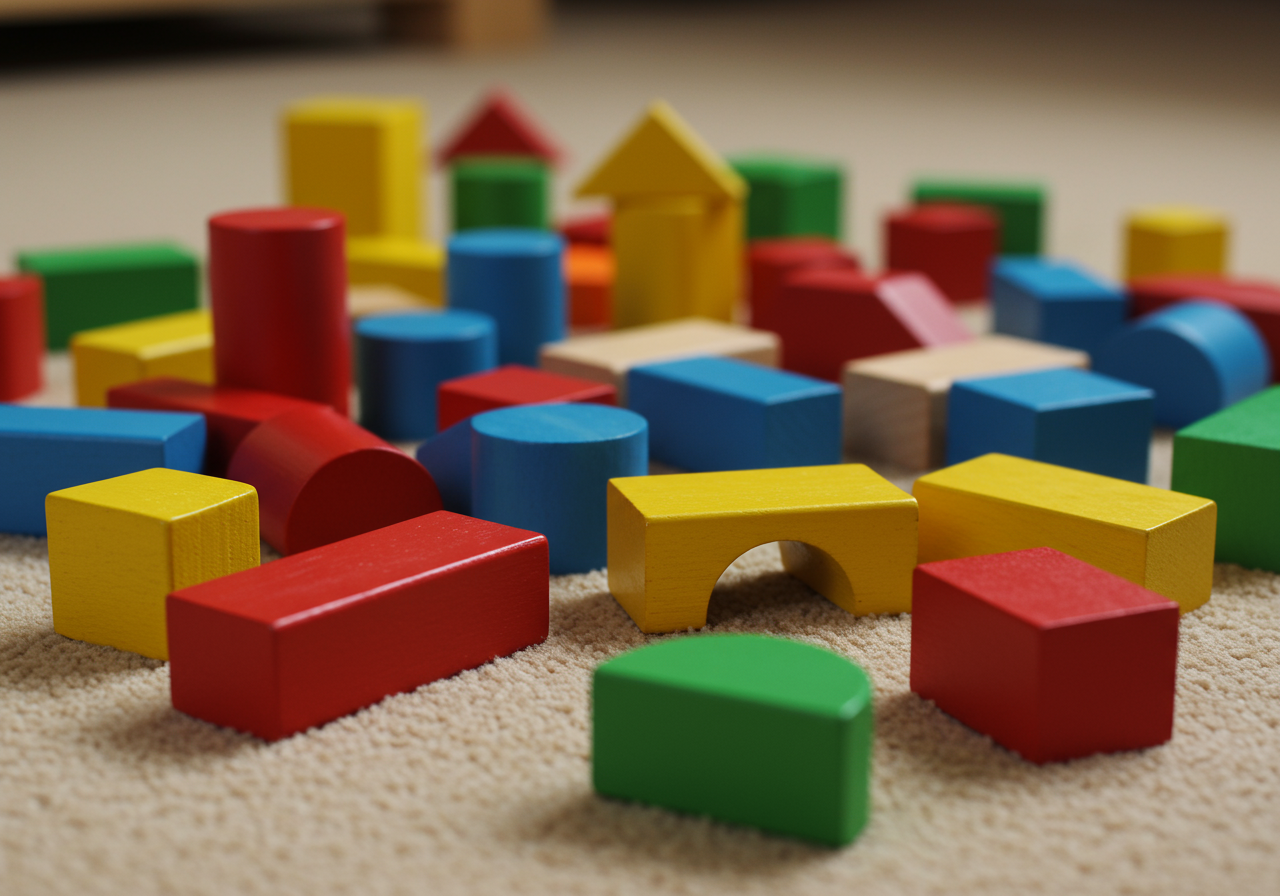
Image by Thaliesin from Pixabay
Prefabricated homes continue to grow in popularity among those who want their own home quickly and affordably. There are multiple advantages and disadvantages to going with a prefab home build and you may find it’s not the right option for you. However, one frequent question and topic of discussion centers on the building materials used to make these homes. Potential prefab homeowners want to know that the house they’re paying for will be durable, safe and efficient and cost-effective.
So what are prefab homes made of exactly? Here are the most common building materials on the market today:
Wood is one of the most widely used building materials in today’s modular and prefabricated homes. Wood is lightweight, easy to transport and can be sourced or manufactured sustainably. Many environmentally conscious builders use a high percentage of reclaimed or recycled wood in new construction while others might get their raw materials from well-managed forests. Unlike building traditionally, prefab homes are less likely to encounter issues of damage or delay in the building process because of factors like inclement weather. Everything is made in a factory away from the elements and shipped securely to the building site compared to set up piece by piece out in the open. Wood is also an excellent insulator which helps you keep your energy bills lower and stay warmer in the winter.
Some very early modular buildings that came to prominence were made from steel shipping containers. Modern builders still rely on this tried and true starting point for some projects, but individual prefab residences typically begin with a steel frame. These frames can either be sold in DIY “kits” or built custom depending on the builder you choose. Similarly to wood, steel is easy to recycle and repurpose to avoid waste. It is fire resistant which is an obvious safety advantage but also can allow for multiple stories or larger structures while still complying with building codes. Steel is pest-proof and dry rot-proof and also available in a variety of special finishes. Your steel frame prefab house doesn’t have to look like a metal box. Some builders offer cosmetic finishing touches like brick, wood paneling or stucco on the exterior.
Prefab homes commonly use concrete in combination with both wood and steel for building foundations. However, it’s also common to see prefab homes made entirely of concrete. Though significantly heavier and a bit more difficult to transport once they build your concrete house it will be virtually indestructible. Concrete can easily withstand hurricanes and other extreme weather without damage, making it a smart choice for regions prone to storms or high winds. It’s also another great insulator which can equal lower energy costs and natural relief from extreme heat or cold. Concrete can also help you keep your home quiet in noisy environments because of its natural acoustic insulation. Concrete is an expensive option compared to both wood and steel prefab homes and traditional construction. However, over time a concrete house will require less maintenance and upkeep regardless of where you live.
Wood, steel and concrete are not the only things used to build prefab homes. Some builders have even begun developing their own proprietary materials. When looking for a prefabricated home builder there are many factors to consider, but the material used to build your new home should be one of the first.
Discover the details of the recent sale at 56 Emerson Rd, Walpole, MA.
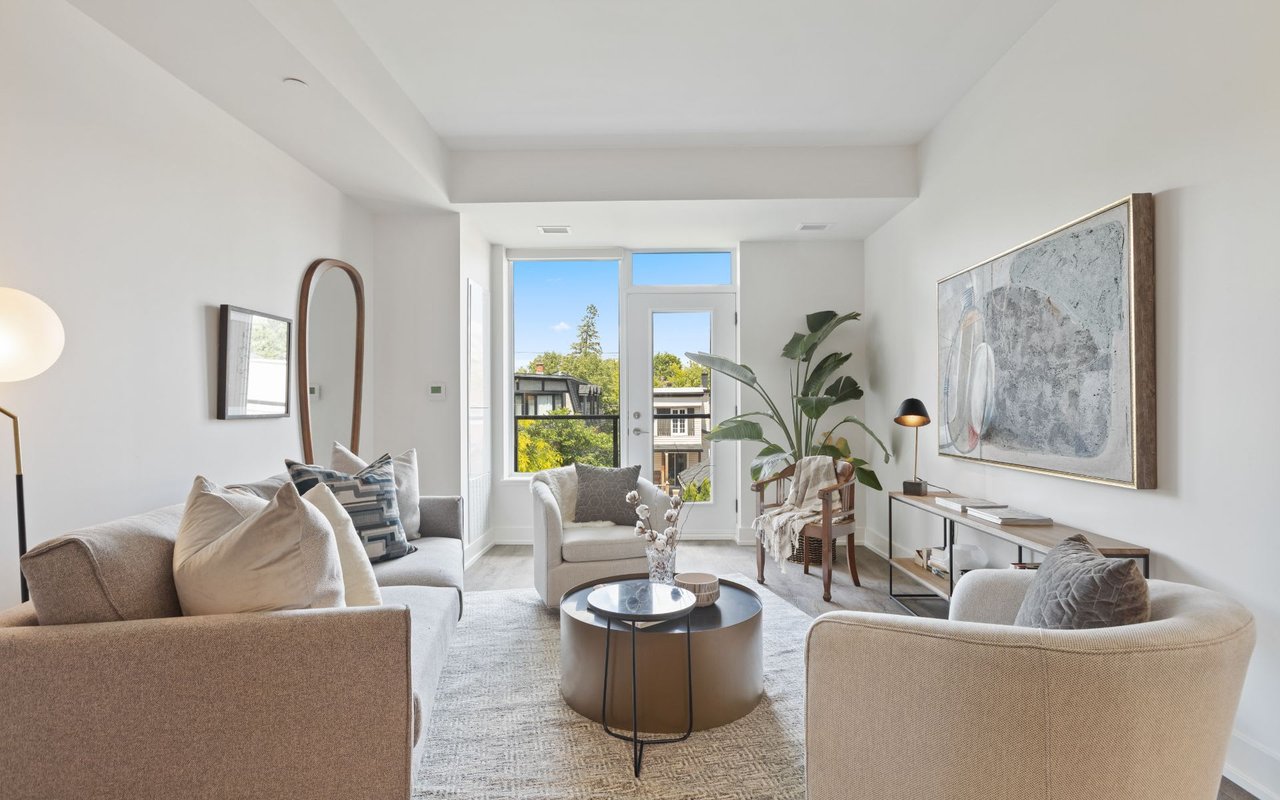
Need more storage space? If you have old glass vases, you’re in luck!
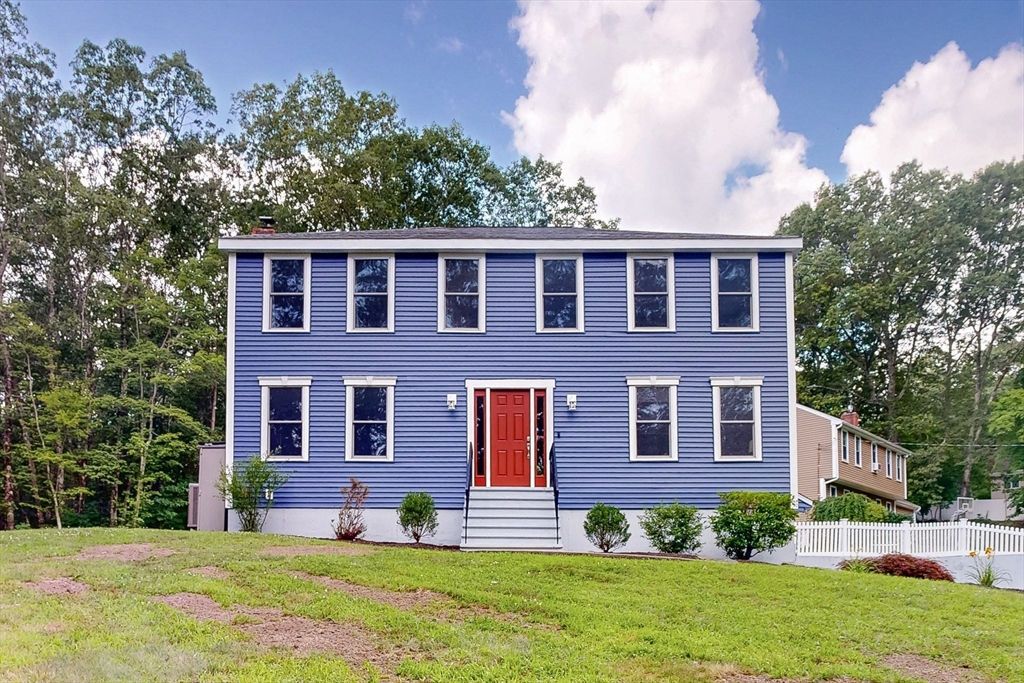
A Milford home on two+ acres, offering comfort, convenience, and a low-maintenance lifestyle.

Market update for Millis, MA. Median list price, sale price, homes for sale, and days on market.
You pay monthly repayments with fixed interest until you pay off the loan.
Market update for Sherborn, MA. Median list price, sale price, homes for sale, and days on market.

Market update for Norfolk, MA. Median list price, sale price, homes for sale, and days on market.
Know what water damage your homeowner's insurance covers.
Market update for Medfield, MA. Median list price, sale price, homes for sale, and days on market.
Ready to get started? Fill out the form, or give me a call or text—I'm here to help at your pace. Once you reach out, here's what you can expect: We'll connect to discuss your needs and goals. I'll provide insights on current market trends and opportunities. Together, we'll create a plan that fits your timeline.