Selling Your House with Unpermitted Additions
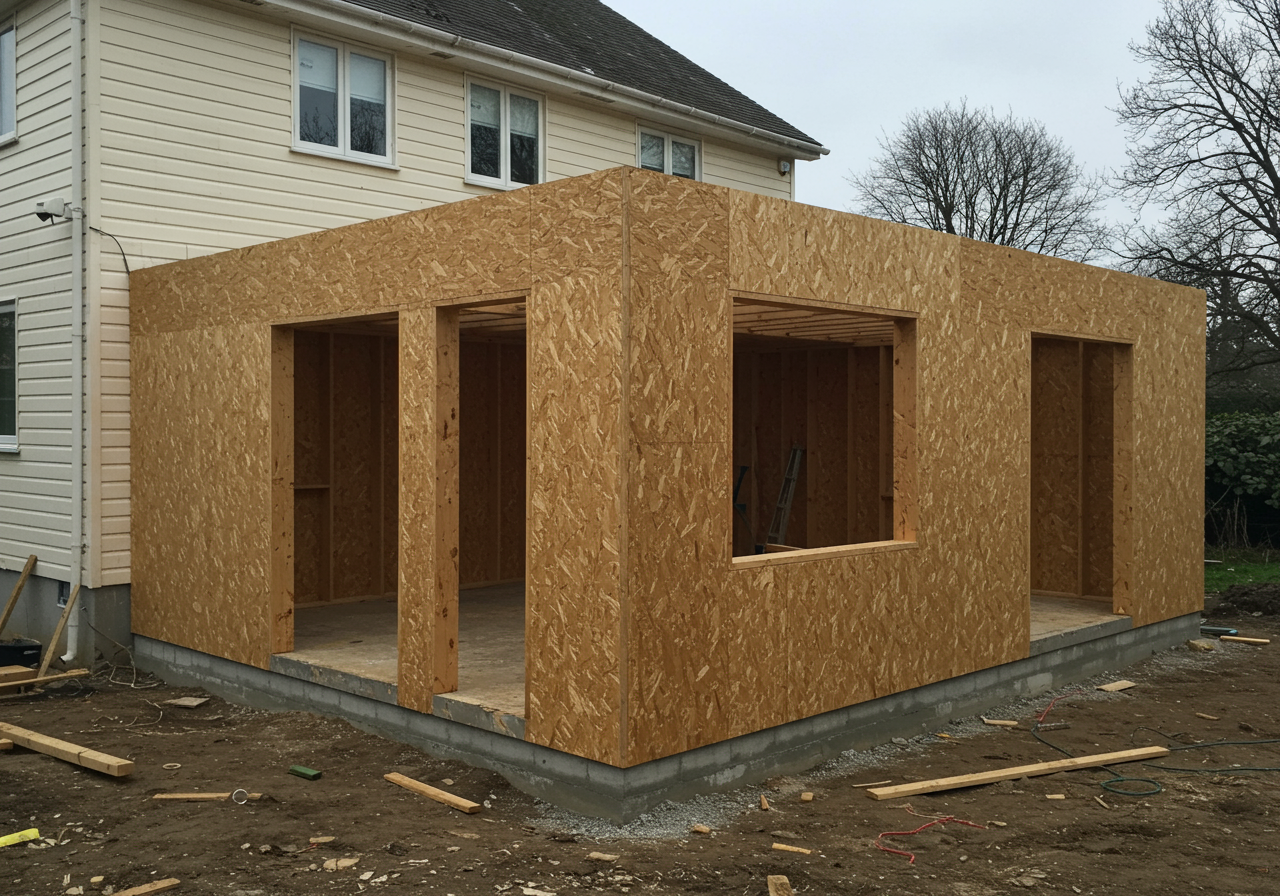
Image by Sue Smith from Shutterstock
House owners frequently remodel, upgrade, or otherwise make changes in their homes for which they do not secure a permit. While some changes do not require permitting, others do. The challenge comes when you attempt to sell the home. You may run into a problem when a buyer makes an offer on such a property, and their inspector discovers unpermitted changes. Their mortgage lender may be unwilling to give them a loan until you remedy the permit issue.
Additionally, since building codes often change from year to year and certainly from decade to decade, the property may have changed hands more than once before it came to you. Even if the upgrade occurred before you purchased it, you might be the one responsible for fixing it with your municipality.
What can you do? When you believe your home has unpermitted construction, learn as much as you can about it:
The term “grandfather clause” refers to an exception to a code, restriction, or legal requirement. It allows anything already done legally “at the time” to continue even if a new limitation would not allow it. Regarding unpermitted home upgrades, if the construction was before the change in the code, check to see if the code requires retroactive compliance. In that case, exceptions typically pose a danger to anyone living in the home or on the property and need remediation. When code changes do not require retroactive compliance, knowing the date of the construction puts you in the clear.
When you discover retrofits, additions, upgrades, or renovations in your home, search city or county records for a permit. Ask for help to see if that type of work in the year(s) of its completion required one. If it needed a permit, and you do not find one in place, either request a retroactive authorization or plan to sell your home "as is" to a willing buyer. Municipalities often have methods in place to offer retroactive permits. Check to determine the total cost of the permitting process. In addition to the permit fee, you may have to pay fines, inspections, and other fees. Any modifications required because of the permitting process become your responsibility. When the total cost of obtaining retroactive permits and related fees and construction costs is higher than the return on your investment, consider the “as is” process.
When you choose to sell your property "as is," you no longer need to disclose to the municipal building department that you may have unpermitted construction. Until you are sure you want to request a retroactive permit, do not disclose information when you communicate with building code offices that might trigger an inspection.
In the selling process, however, fully disclose to your real estate agent all items you know for certain. That is, tell them about additions or upgrades you installed while in ownership. Make sure a sale is not delayed or falls through because a lender requires a permit. Have an appropriate "as is" clause written into the sales contract.
Confer with your real estate agent to determine if seeking a permit is in your best interest when selling with unpermitted additions.
Discover the details of the recent sale at 56 Emerson Rd, Walpole, MA.

Need more storage space? If you have old glass vases, you’re in luck!
A Milford home on two+ acres, offering comfort, convenience, and a low-maintenance lifestyle.

Market update for Millis, MA. Median list price, sale price, homes for sale, and days on market.

You pay monthly repayments with fixed interest until you pay off the loan.

Market update for Sherborn, MA. Median list price, sale price, homes for sale, and days on market.

Market update for Norfolk, MA. Median list price, sale price, homes for sale, and days on market.

Know what water damage your homeowner's insurance covers.

Market update for Medfield, MA. Median list price, sale price, homes for sale, and days on market.
Ready to get started? Fill out the form, or give me a call or text—I'm here to help at your pace. Once you reach out, here's what you can expect: We'll connect to discuss your needs and goals. I'll provide insights on current market trends and opportunities. Together, we'll create a plan that fits your timeline.